
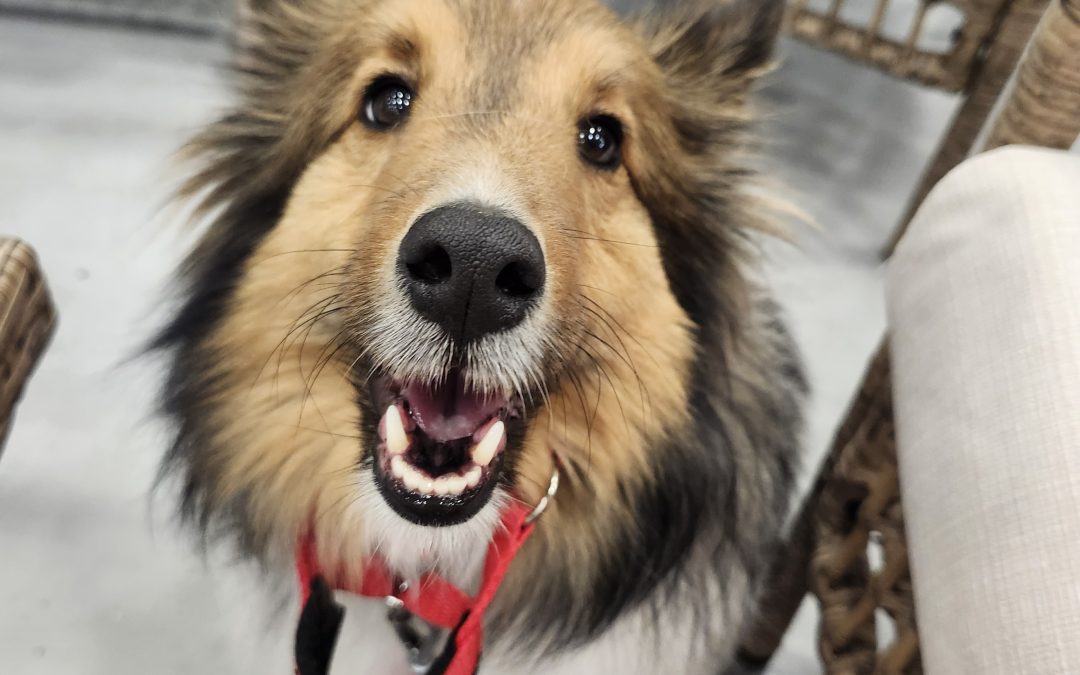
You can train your puppy at home effectively by following ten clear, practical steps that establish routines, teach basic commands, and prevent behavioral issues while strengthening your bond.
Establishing a Routine and Training Environment
Set a consistent routine for feeding, potty breaks, play, and training so your puppy knows what to expect; consistency reduces anxiety and accelerates learning.
Creating a Consistent Daily Schedule
Plan short, predictable training windows spread through the day so you and your puppy build momentum; frequent repetition beats long, sporadic sessions.
Setting Up a Distraction-Free Workspace
Choose a quiet, contained spot where you control sight and sound, keeping only necessary toys and treats and minimizing other people or pets during sessions.
Arrange your training area to minimize external triggers: place a non-slip mat, use a small pen or closed room, and position yourself between the puppy and potential distractions. Keep training tools organized and out of sight until sessions begin, and use a leash or tether for safety and focus. Introduce mild distractions gradually, rewarding attention to you rather than the environment, and track adjustments to lighting, scent cues, and session length so you maintain clear, repeatable conditions for reliable progress.
Mastering Fundamental Obedience Commands
Mastering basic obedience gives you a reliable foundation: consistent daily practice, clear cues, and short sessions build confidence and focus. You will reduce distractions and shape polite behavior through repetition and calm leadership.
Teaching Sit, Stay, and Recall
Teach sit, stay, and recall with short, frequent sessions, clear cues, and gradual distance; reward reliable responses and return practice to real-world settings so you build dependable behavior.
Implementing Positive Reinforcement Rewards
Use high-value treats and enthusiastic praise to reward correct responses; you mark behaviors immediately and shift to variable treats so you maintain strong cues without over-relying on food.
Combine precise timing, a clear marker (clicker or a consistent word), and rewards that match the task to teach you which actions earn reinforcement. You should vary treats, praise, and play, then slowly replace food with life rewards like walks or access. Consistent, immediate reinforcement and predictable criteria prevent confusion and make lessons stick across environments.
Housebreaking and Crate Training Foundations
You build a reliable routine by pairing scheduled potty breaks with positive crate conditioning; reward successes, limit unsupervised freedom, and watch for cues so accidents drop and boundaries become clear.
Effective Potty Training Protocols
Start with frequent, scheduled outings after sleep, play and meals; praise and treat instantly when your puppy eliminates outdoors, and clean indoor accidents with enzyme cleaner to prevent repeat soiling.
Safe Introduction to Crate Boundaries
Introduce the crate as a pleasant den by using treats, toys and short, calm sessions while you stay nearby so your puppy links confinement with comfort rather than fear.
Use incremental steps: feed meals in the crate, toss treats inside, and close the door briefly while you sit nearby, extending time only as your puppy remains relaxed. Move the crate to a quiet, familiar spot so your puppy still sees household activity. Never force entry or use the crate for punishment; keep overnight durations age-appropriate to avoid stress and accidents.
Socialization and Behavioral Conditioning
Socialization helps you expose your puppy to varied people, animals, and environments in short, positive sessions so fear is minimized and confidence grows.
Controlled Exposure to New Stimuli
Introduce new sounds, surfaces, and sights gradually, keeping exposures brief and rewarding calm responses so your puppy learns curiosity instead of anxiety.
Managing Bite Inhibition and Mouthing
Teach gentle mouthing by yelping on hard bites, withdrawing attention, then offering appropriate chew toys and praise for soft contact.
Practice consistent timing: when your puppy mouths too hard, stop play and withdraw attention, redirect to a chew toy, then resume only when they calm down; you will see progress through short, repeated sessions and clear, predictable responses that teach bite control.

Leash Manners and Outdoor Etiquette
Leash manners and outdoor etiquette keep walks safe and pleasant; you teach polite walking, yield at crossings, and reinforce brief attention checks before allowing off-leash play.
Developing Loose-Leash Walking Skills
Practice short, frequent sessions where you reward your puppy for staying by your side; stop when they pull and resume when slack returns to teach a loose leash.
Managing Focus in Public Spaces
Manage distractions by using high-value treats and changing pace so you maintain your puppy’s attention; ask for a glance or sit before passing people or other dogs.
Use a clear attention cue like “look” and reward immediately to build reliable responses. Begin in quiet areas, then add distance and distractions as your puppy succeeds. Control proximity to other dogs, use higher-value rewards outdoors, limit session length to prevent overwhelm, and finish with a calm walk so you reinforce focus as a normal part of outings.

Correcting Common Puppy Behaviors
Address misbehavior quickly with clear commands and immediate redirection; you should reward calm actions, remove attention for unwanted acts, and keep corrections brief so your puppy links consequences to choices.
Strategies for Excessive Barking
Reduce excessive barking by identifying triggers, teaching a quiet cue, and rewarding silence; you can also remove attention or redirect with a task to interrupt the habit and reinforce calm responses.
Preventing Destructive Chewing Habits
Provide safe chew toys, rotate textures to maintain interest, supervise play, and immediately replace forbidden items so you redirect chewing toward appropriate objects and limit damage.
Monitor chewing by puppy-proofing rooms, offering varied safe chews (rubber toys, frozen wet cloths for teething), and applying deterrent spray to valuables; you should teach “leave it” and trade for appropriate items, crate when unsupervised, increase exercise and enrichment to cut boredom, and avoid harsh punishment so good chewing becomes a learned routine.
Summing up
You ensure successful puppy training at home by applying consistent routines, clear commands, short positive sessions, early socialization, gentle corrections, crate and potty training, regular exercise, and ongoing reinforcement so your puppy learns expectations and reliable behavior.