
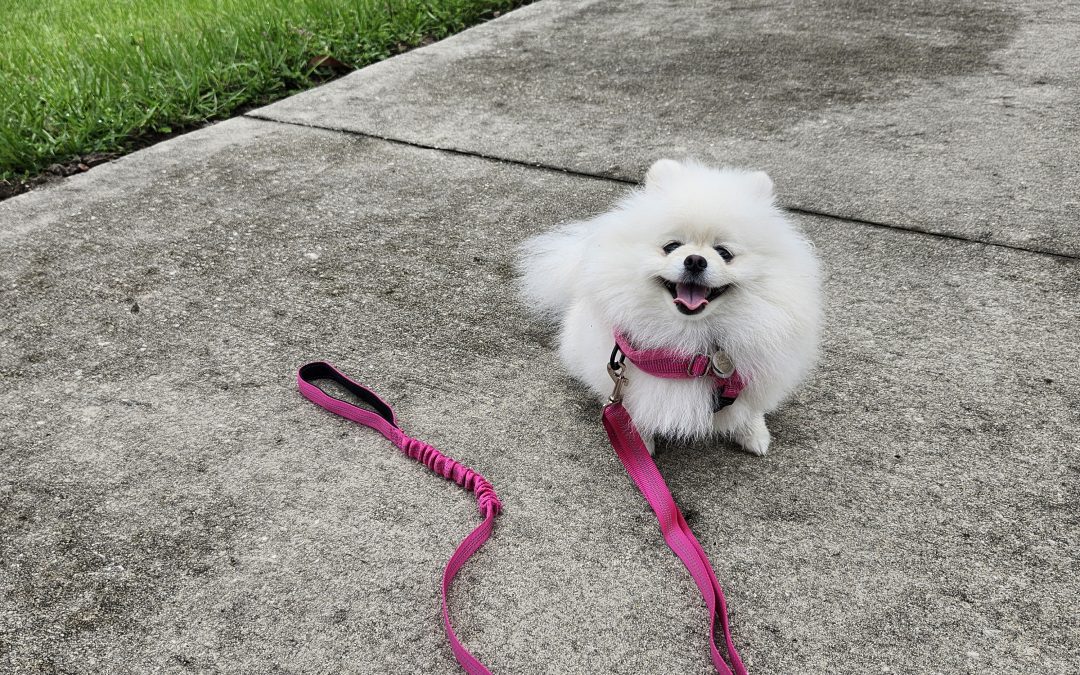
Boarding your puppy for the first time is easier when you acclimate them with short visits, bring familiar bedding and toys, share clear feeding and care instructions with staff, and maintain regular check-ins so you can ensure comfort and confidence during their stay.
Critical Factors to Evaluate in a Boarding Facility
Review what the facility offers so you can match services to your puppy’s needs. Thou inspect vaccination policies, emergency plans, and staff-to-puppy ratios before booking.
- Vaccination and health requirements
- Emergency vet access and protocols
- Playgroups, rest areas, and supervision levels
Assessing safety protocols and cleanliness
Check the facility’s cleaning routines, secure fencing, and quarantine procedures so you can ensure low infection risk and safe play areas.
Verifying staff expertise in puppy behavior
Confirm that staff read puppy signals, use positive reinforcement, and manage stress behaviors so you feel confident leaving your puppy in their care.
Ask about staff certifications, puppy-focused training courses, and hands-on socialization experience; you should observe interactions and note whether caregivers calm overstimulated pups, use reward-based corrections, and maintain consistent supervision.
How-To Socialize Your Puppy for a New Environment
You acclimate your puppy by scheduling brief exposures to new people, surfaces, and handling, pairing each encounter with treats and calm praise so your pup forms positive associations before boarding.
Introducing unfamiliar sights and sounds
Play recordings of kennel sounds, traffic, and household appliances at low volume while you reward calm behavior, helping your puppy accept unfamiliar noises without fear.
Scheduling short-term daycare visits for acclimation
Arrange several short daycare visits so your puppy encounters other dogs, staff routines, and rest times; you can monitor comfort, build tolerance, and adjust stay lengths accordingly.
During visits, observe your puppy’s body language, ask staff about group sizes and nap schedules, bring a favorite toy or blanket, confirm vaccination and emergency policies, and increase visit length in small increments so you can identify stress signs early and tailor future stays.
Essential Tips for Pre-Boarding Veterinary Preparation
Prepare your puppy for boarding by scheduling a pre-boarding vet visit to check health, update records, and discuss behavior notes. Bring vaccination certificate and medication instructions. This helps staff care for your puppy and reduces stress during stay.
- Vaccination certificates and dates
- Parasite prevention records and last dose
- Medications with dosing instructions
Ensuring up-to-date core vaccinations
Confirm core vaccines-DHPP and rabies-are current at least two weeks before boarding; kennel policies may require proof. Carry vaccination records and any exemption notes to the facility to avoid denial of care.
Administering necessary parasite preventatives
Give monthly flea, tick, and heartworm preventatives as directed by your vet; bring proof of treatment and the product for staff, so they can maintain doses if service covers it.
Follow your vet’s schedule for parasite control, confirming product type and last administration date before drop-off. Provide clear dosing instructions, weight used to calculate dose, and label all medications. Alert staff to any past reactions and recent tick exposures so they can monitor during the stay.
How-To Pack a Comfort Kit to Reduce Separation Anxiety
Pack a comfort kit with a worn blanket, a favorite toy, and an unwashed t-shirt that carries your scent to soothe separation anxiety; add a chew toy and a small stuffed item to keep your puppy engaged and calm.
Including familiar toys and scented bedding
Include familiar toys and scented bedding so your puppy has recognizable comforts; rotate items from home and pack a backup in case of loss.
Organizing dietary requirements and medication schedules
Organize feeding and medication details clearly by labeling food portions, noting brands, listing feeding times, and providing written dosing instructions so staff can follow your puppy’s routine without guesswork.
Provide pre-measured meals, labeled medication packets, administration tools (pill pouches, syringes), and a copy of your vaccination and allergy notes, plus your emergency contact details so caregivers can match feeding and dosing precisely.
Factors for a Successful and Stress-Free Drop-Off
Plan your drop-off with clear timing and familiar items to ease separation; share feeding and medication notes, and include a short walk before handover.
- Comfort toy
- Short walk
- Medication notes
Any extra comfort scent or favorite toy helps handlers soothe your puppy on arrival.
Keeping the departure brief and positive
Keep farewells short, upbeat, and non-dramatic; give a quick pet, a cheerful tone, and a confident handover so your puppy senses calm from you.
Providing detailed care instructions to handlers
Give clear, written feeding times, portion sizes, medication instructions, crate preferences, behavior triggers, and contact info so handlers can follow your routine precisely.
Include labeled food portions, pre-measured meds, photos of your puppy’s favorite resting spots, and explicit handling notes so staff mirror your care; ask them to confirm they understand and how to reach you.
Tips for Managing Your Puppy’s Reintegration at Home
Settle your puppy back into home life by keeping interactions calm, limiting visitors, restoring familiar bedding and toys, and sticking to short, supervised outings so confidence rebuilds without overwhelm.
- Keep mealtimes and sleep spots consistent.
- Offer gentle play and short, familiar walks.
- After greeting calmly, give quiet bonding time to avoid overstimulation.
Observing physical and emotional well-being post-stay
Monitor your puppy’s appetite, energy, elimination and sleep, and note any limping, persistent whining or withdrawn behavior; consult your vet if concerning signs persist beyond a day or two.
Re-establishing the established household routine
Reintroduce feeding, potty and sleep schedules using the same cues and praise you followed before boarding so your puppy regains predictability and reduces anxiety.
Use brief training sessions, consistent cues and incremental freedoms so you can rebuild boundaries confidently; gradually increase off-leash time and social exposure while you observe stress signals and reward calm behavior.
Final Words
Ultimately you can reduce separation anxiety by familiarizing your puppy with short stays, packing comforting items, confirming vaccination and feeding routines, and choosing a caring, well-reviewed facility; consistent pre-boarding practice builds confidence so your puppy adapts quickly to boarding.