
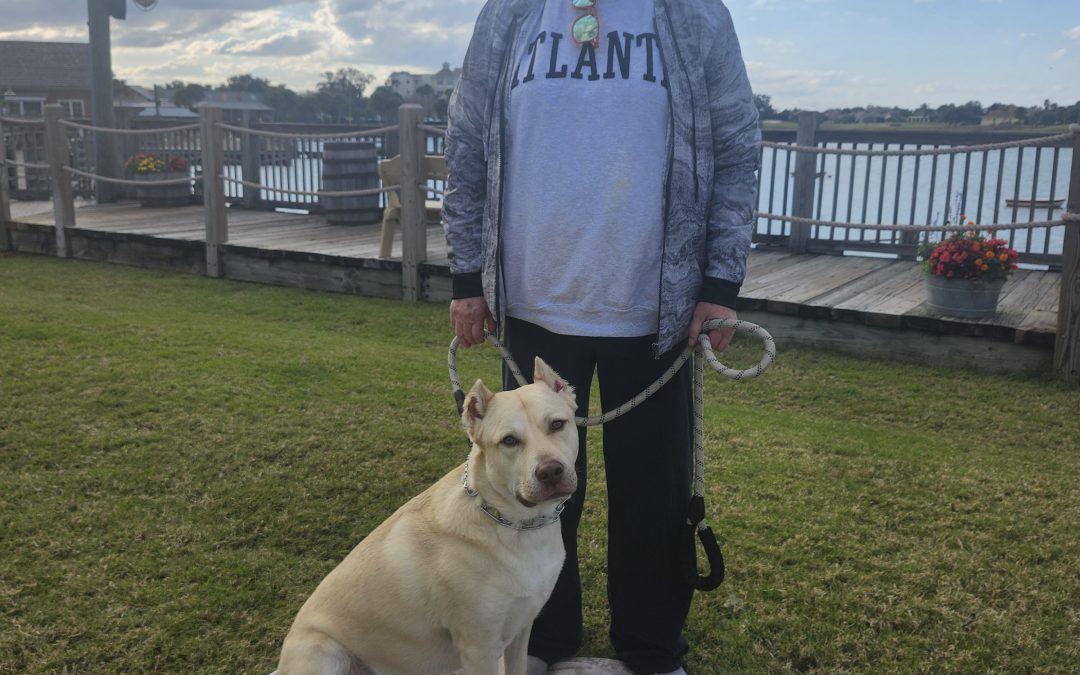
With consistent, positive techniques you can help a reactive dog build trust and focus; use predictable routines, calm cues, reward-based training, controlled exposure, and short focus games to improve attention and reduce reactivity.
Understanding Reactivity and Stress Thresholds
Your dog’s reactivity shows when their stress threshold is exceeded; you should lower intensity, offer breaks, and teach predictable cues so they can process stimuli without flooding.
Identifying Environmental and Social Triggers
Identify sights, sounds, people, and animals that consistently raise your dog’s arousal, then map where and when reactions occur to plan predictable, lower-intensity practice sessions.
Recognizing Early Signs of Physiological Arousal
Notice lip licking, whale eye, yawning, tucked tail, pacing, or stiffening-catching these early lets you pause, reduce distance, or offer calming cues before escalation.
Observe that physiological cues often precede loud barking or lunging, so you can act before full reactivity sets in. Learn to rate intensity (calm, alert, uneasy, aroused) and use short breaks, reward calm, and reset threshold with distance or a quieter route. Practice in small steps to expand safe exposure while keeping sessions short.
Establishing Management and Safety Protocols
You can reduce incidents by planning routes, using barriers, and training household members on step-by-step responses; consistent management protects your dog’s progress and keeps everyone safe.
Creating a Stress-Free Home Environment
Home adjustments like quiet zones, predictable feeding times, and low-traffic paths help your dog settle, reduce stress, and make training sessions more productive.
Utilizing Proper Equipment for Control and Comfort
Appropriate gear such as a well-fitted harness, front-clip leash, or head halter gives you control while keeping your dog comfortable and confident during walks.
Select equipment based on fit, material, and your dog’s tolerance; introduce each piece gradually, practice indoors, and pair wear with treats so your dog learns calm associations before challenging outings.
Implementing Counter-Conditioning and Desensitization
Practice counter-conditioning and desensitization regularly to reshape your dog’s reactions; use high-value rewards, consistent timing, and calm handling to build trust and improve focus around known triggers.
Changing Emotional Responses Through Positive Association
Pair triggers with pleasant experiences so your dog learns safety; deliver rewards just before or as the trigger appears, keeping sessions short and predictable to shift fear toward curiosity.
Mastering the Art of Controlled Exposure
Begin exposure at a distance your dog tolerates, increasing intensity only when they stay calm; your measured progress and immediate rewards reinforce attention without overwhelming them.
Advance exposures by observing subtle body language, adjusting distance and reward timing, and varying reinforcement schedules; you should plan brief, frequent sessions, include relaxation breaks, and practice across places and people so your dog generalizes calm focus beyond training settings.
Developing Focus and Engagement Cues
Practice short, frequent cue sessions where you ask for eye contact, a brief sit, or a head turn; reward immediately and step away when your dog looks at you so focus becomes more valuable than the distraction.
Building a Reliable Check-In Behavior
Teach a quick, repeatable check-in cue-name touch or look-rewarding every successful response; slowly increase distance and low-level distractions while always ending on a positive note so your dog offers the behavior under mild stress.
Strengthening the Handler-Dog Connection Under Pressure
Train using controlled exposures where you stay calm and deliver high-value rewards for attention; practice brief interruptions, regain engagement quickly, and mark returns to you so your dog learns you are the safer, predictable choice.
When pressure rises, reduce distance, lower intensity, and give a clear, attractive option: an easy cue followed by a valued reward or a short retreat. Use consistent body language and a calm voice, slowly increase challenge, and keep sessions brief so your dog consistently chooses you over reacting.
The Role of Enrichment and Mental Stimulation
Variety of short, targeted enrichment tasks keeps your reactive dog mentally busy, reduces boredom, and improves attention; rotate puzzles, nose work, and problem-solving games to sustain focus without overwhelming.
Reducing Cortisol Through Scent Work and Foraging
Scent games and foraging lower cortisol by engaging natural instincts, so you can calm arousal through simple nose work, hidden treats, and graduated challenges that reward investigation over reactivity.
Improving Impulse Control via Structured Play
Structured play strengthens impulse control when you set clear start-stop rules, demand short waits, and reward calm choices; keep sessions brief and predictable so your dog learns control without stress.
Training focused games teach self-control through progressive challenges: ask for a three-second sit before reward, then increase delay, practice “leave it” with low-value items, and use a consistent release cue; you should alternate calm treats with toy rewards, manage distance to triggers, and end each session while your dog remains successful.
Final Words
With these considerations you can steadily rebuild trust and sharpen your dog’s focus through consistent routines, clear boundaries, short training sessions, controlled exposure, calm leadership, reward-based reinforcement, and professional guidance, helping you reduce reactivity and strengthen your bond.