
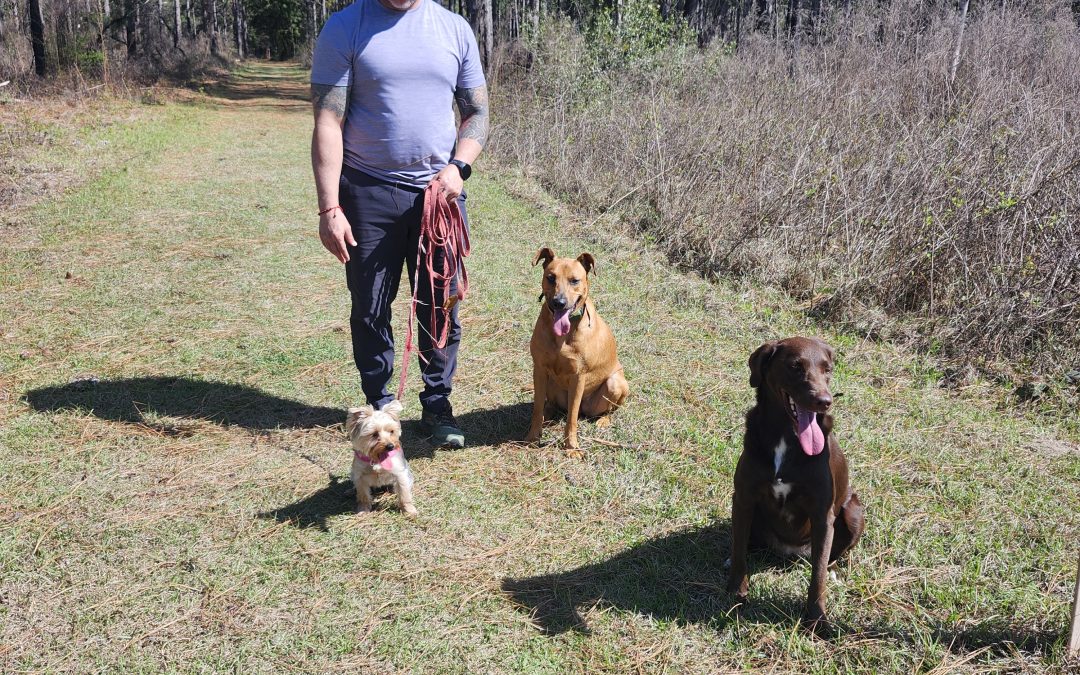
Training your dog daily turns lessons into playful, short routines that build consistency and confidence; use varied exercises, clear cues, and timely rewards so you and your pet make steady, enjoyable progress together.
Shifting the Mindset: From Chore to Play
Shift your mindset from obligation to opportunity by squeezing brief, playful training into daily routines so learning feels rewarding rather than repetitive.
Understanding Canine Learning Psychology
Understand that dogs learn best through clear cues, immediate rewards, and predictable patterns, so you should time treats and markers to reinforce desired responses.
Building Engagement Through Interactive Games
Play short, focused games-scent hunts, tug-with-commands, or puzzle toys-to teach skills while keeping you both energized and motivated.
Combine game choices with progressive challenges: start simple, then hide treats deeper, widen search areas, or add a verbal cue; alternate food and toy rewards, keep rounds under a few minutes, and adjust difficulty to match your dog’s pace so sessions stay fun, brisk, and instructionally productive.
Leveraging High-Value Rewards for Maximum Motivation
You keep training fun by saving your dog’s favorite treats and toys for high-effort cues, using them sparingly to boost drive without turning every session into a feeding frenzy.
Identifying Your Dog’s Unique Reinforcement Profile
Observe which treats, toys, or praise prompt immediate focus and which fall flat, testing responses during walks, play, and calm moments so you pick rewards that reliably trigger effort.
Implementing Variable Reward Schedules
Mix predictable treats with surprise bonuses and extended play to keep your dog guessing, strengthening behaviors more than constant reinforcement does while maintaining enthusiasm.
Rotate from continuous rewards during learning to variable ratio and interval schedules once the cue is solid; you should reward most attempts at first, then slowly reduce frequency while inserting jackpot treats for flawless responses, mark successes instantly, and vary reward types to prevent predictability and sustain long-term motivation.
The Power of Micro-Training Sessions
Short sessions you run several times daily keep learning fresh and rewarding for your dog, letting you reinforce behaviors without long drills.
Preventing Mental Fatigue and Maintaining Focus
Break training into tiny wins so you avoid mental fatigue and keep your dog’s attention, ending each interaction while they are engaged and eager for more.
Integrating Commands into Daily Routines
Weave simple commands into regular chores-ask for “sit” before meals or “wait” at doorways-to get steady practice without adding separate sessions.
During walks, grooming, or pickup moments you can layer cues like “heel,” “leave it,” and “place,” reinforcing reliability across contexts; vary rewards and keep repetitions short so you sustain progress while fitting training into everyday life.
Final Words
Considering all points, you can make training a daily joy by using short, consistent sessions, clear cues, playful rewards, variety in tasks, gradual challenge increases, and calm consistency; these habits keep your dog engaged, accelerate learning, and strengthen your bond while keeping sessions enjoyable for both of you.